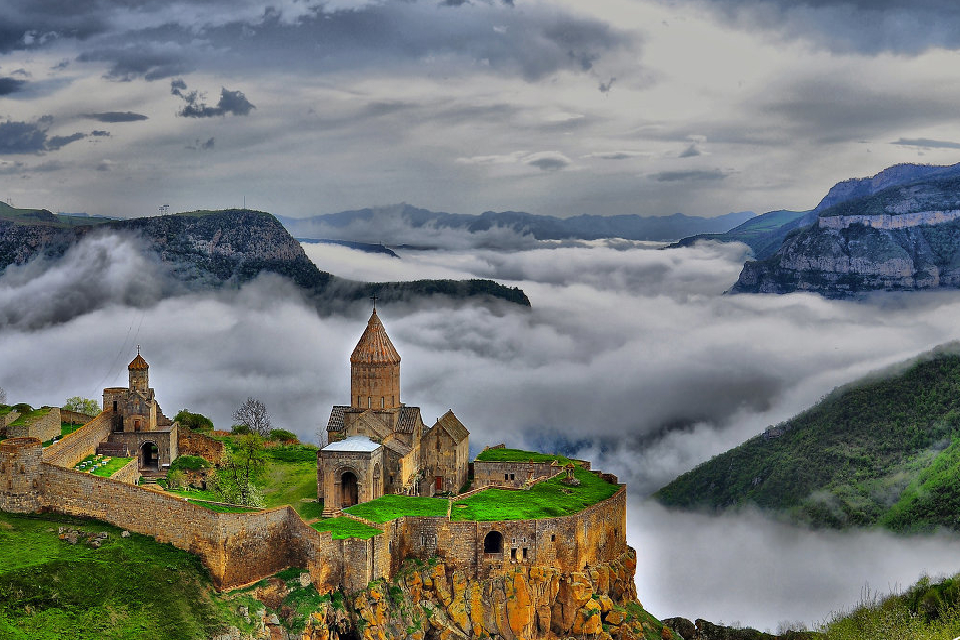
Tatev Monastery is a magnificent 9th-century monastery perched dramatically above the Vorotan Gorge. Once a major religious and educational center, Tatev remains one of Armenia’s most impressive medieval landmarks, surrounded by breathtaking mountain landscapes. The monastery exclusivly controled oil production from locally grown crops.
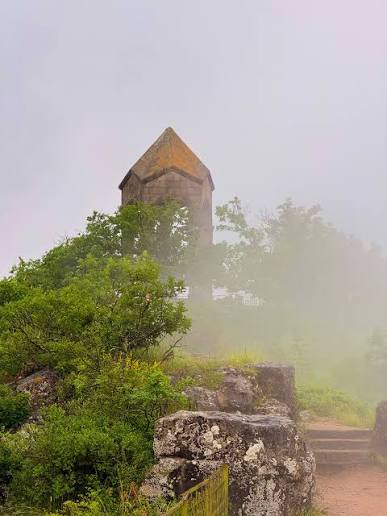
Halidzor Viewpoint offers a spectacular panorama of the Vorotan Gorge, with dramatic cliffs, deep valleys and the mountains of Syunik stretching into the distance. It is one of the best places to pause and take in the landscape around Tatev.
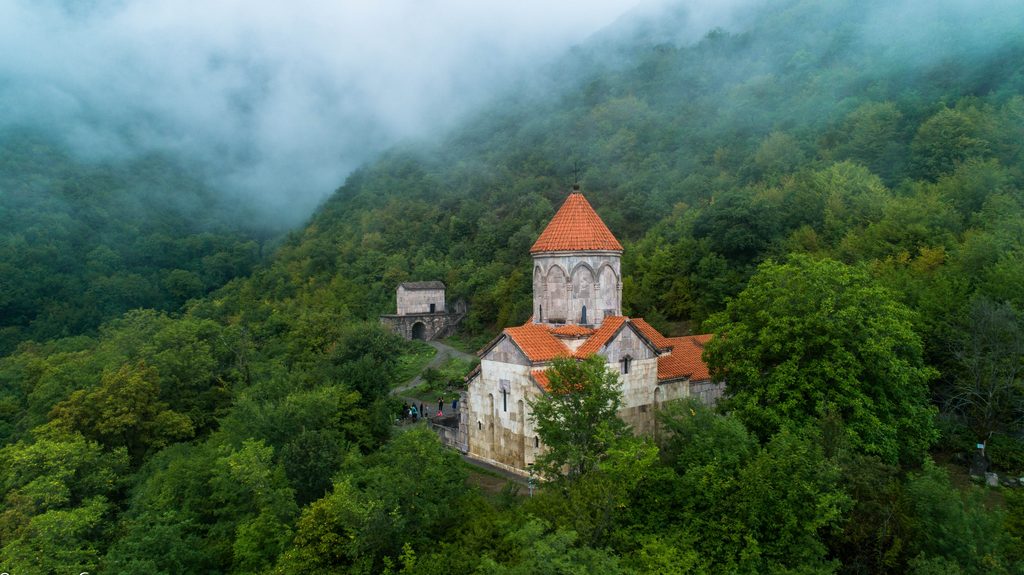
Vahanavank Monastery is a medieval monastery near Kapan, founded in the 10th century. Surrounded by forested mountains, it was once an important religious and cultural center of the region.
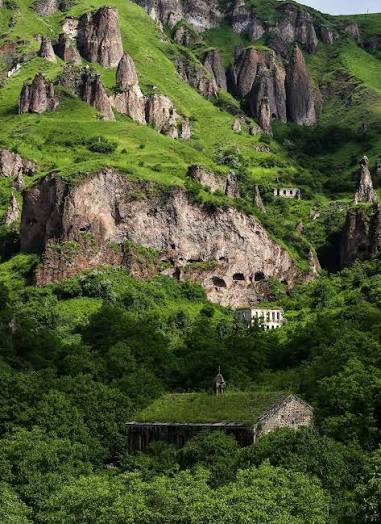
Khndzoresk Cave Town is a remarkable historic settlement carved into the cliffs of a dramatic gorge. Once home to thousands of people, the cave dwellings were inhabited until 1967, when the last residents left, marking the end of centuries of life in the caves.
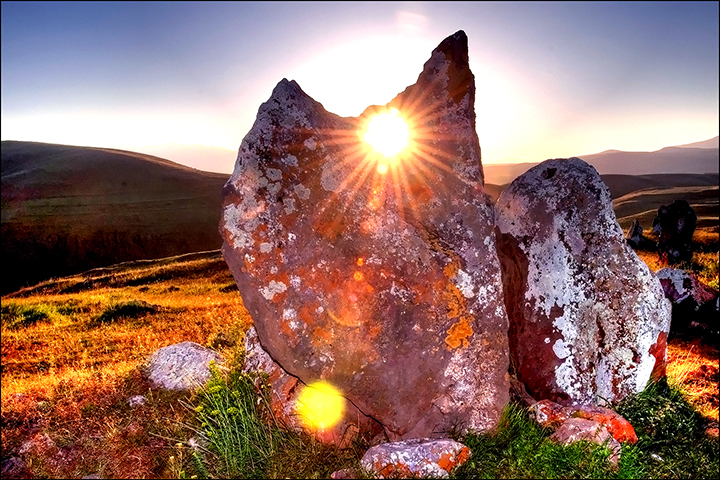
Zorats Karer, also known as Karahunj, is an ancient stone monument in southern Armenia made up of hundreds of standing stones. It is often considered one of the world’s oldest observatories, with some stones believed to have been arranged for astronomical observations.
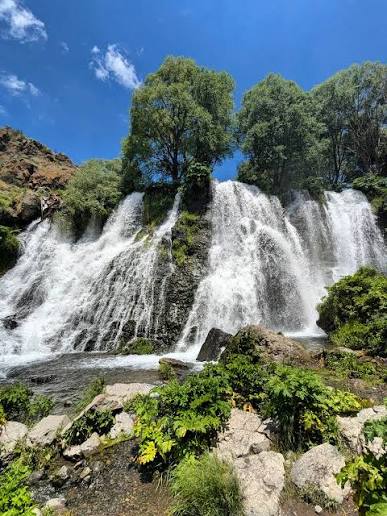
Shaki Waterfall is one of southern Armenia’s most beautiful waterfalls, where the Shaki River plunges over a dramatic rocky cliff. According to legend, Shaki was a beautiful young woman who escaped from an invading ruler and, when he tried to capture her, ran toward the gorge and disappeared beneath her flowing dress giving rise to the waterfall and its name.
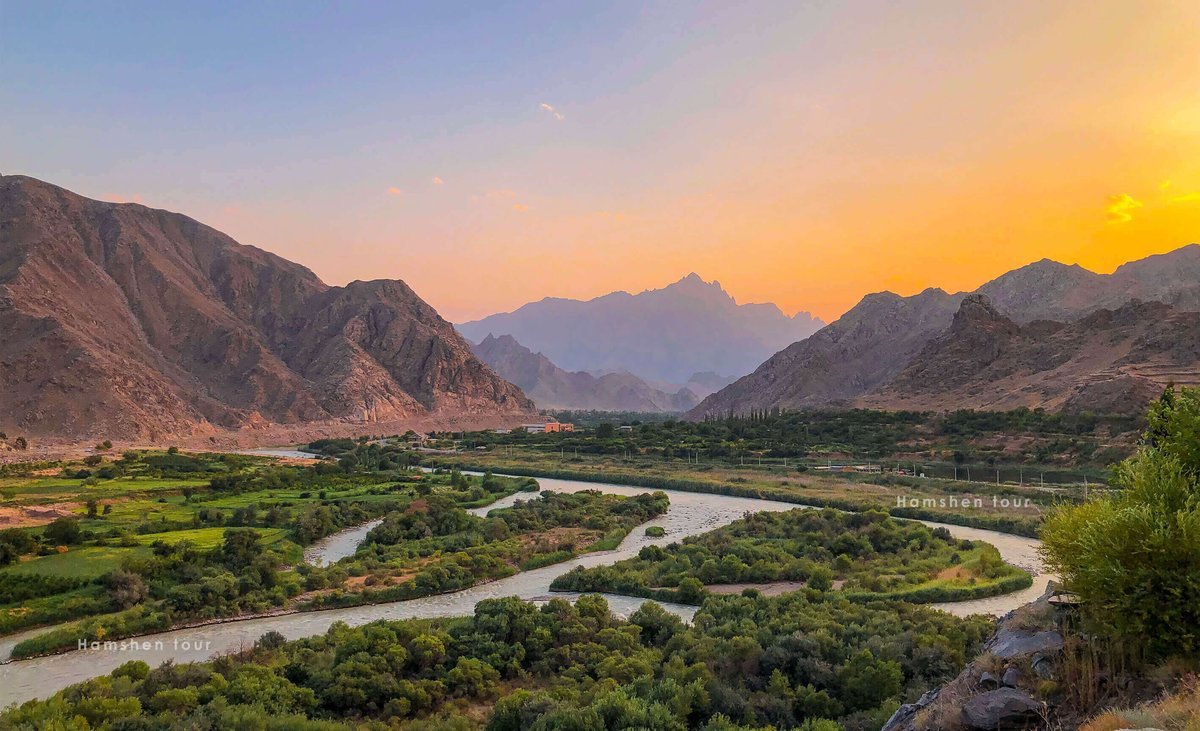
Meghri is Armenia’s southernmost town, nestled among the rugged mountains near the Iranian border. Known for its warm climate, distinctive architecture and historic churches, Meghri is also famous for its local fruits, especially pomegranates, figs and apricots.
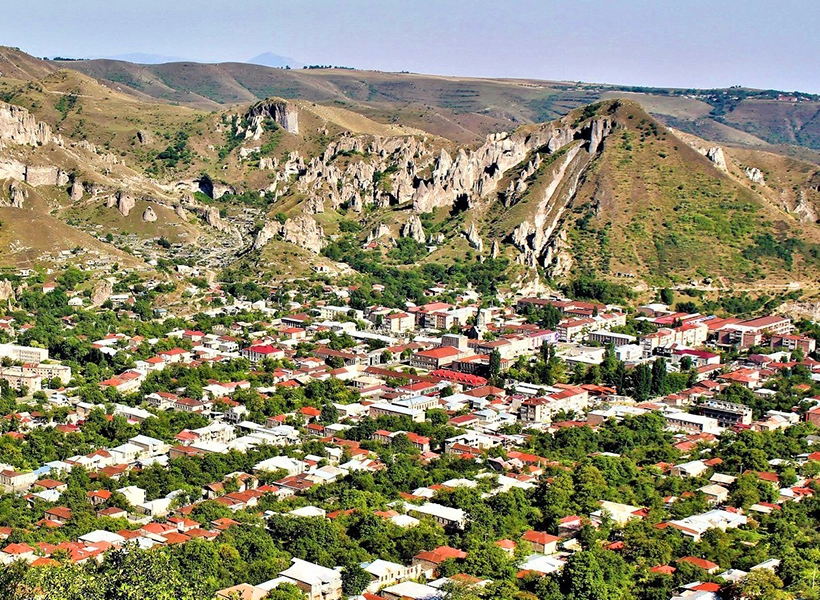
Goris is one of Armenia’s most distinctive towns, known for its elegant stone houses, quiet streets and authentic local architecture. Surrounded by dramatic rock formations, the city preserves a unique character shaped by traditional Armenian design and the landscapes of Syunik.
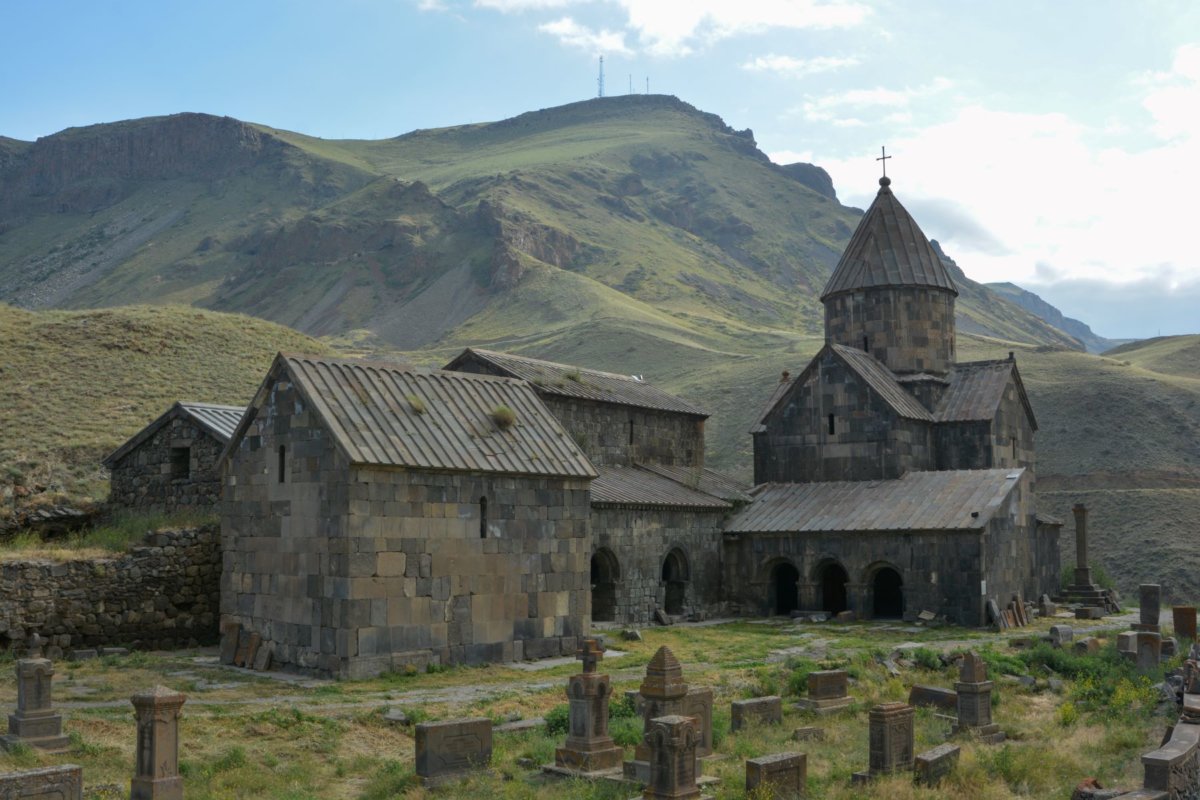
Vorotnavank Monastery is a historic 11th-century monastery complex overlooking the Vorotan Gorge. Founded by Queen Shahandukht, it became an important religious and cultural center of Syunik, surrounded by dramatic landscapes and remnants of its medieval fortifications.
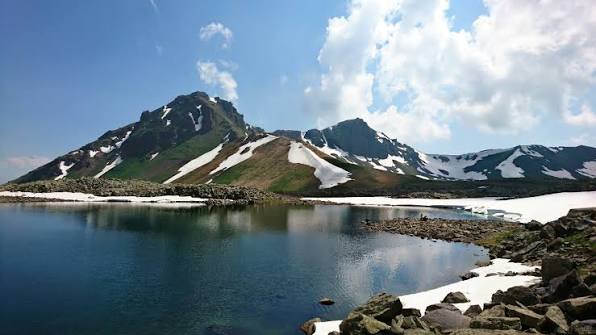
Ughtasar Mountain is a high-altitude site known for more than 2,000 ancient petroglyphs carved into the rocks around its glacial lakes. Dating back thousands of years, the carvings depict animals, people, hunting scenes and celestial symbols, offering a fascinating glimpse into the life and beliefs of prehistoric communities.
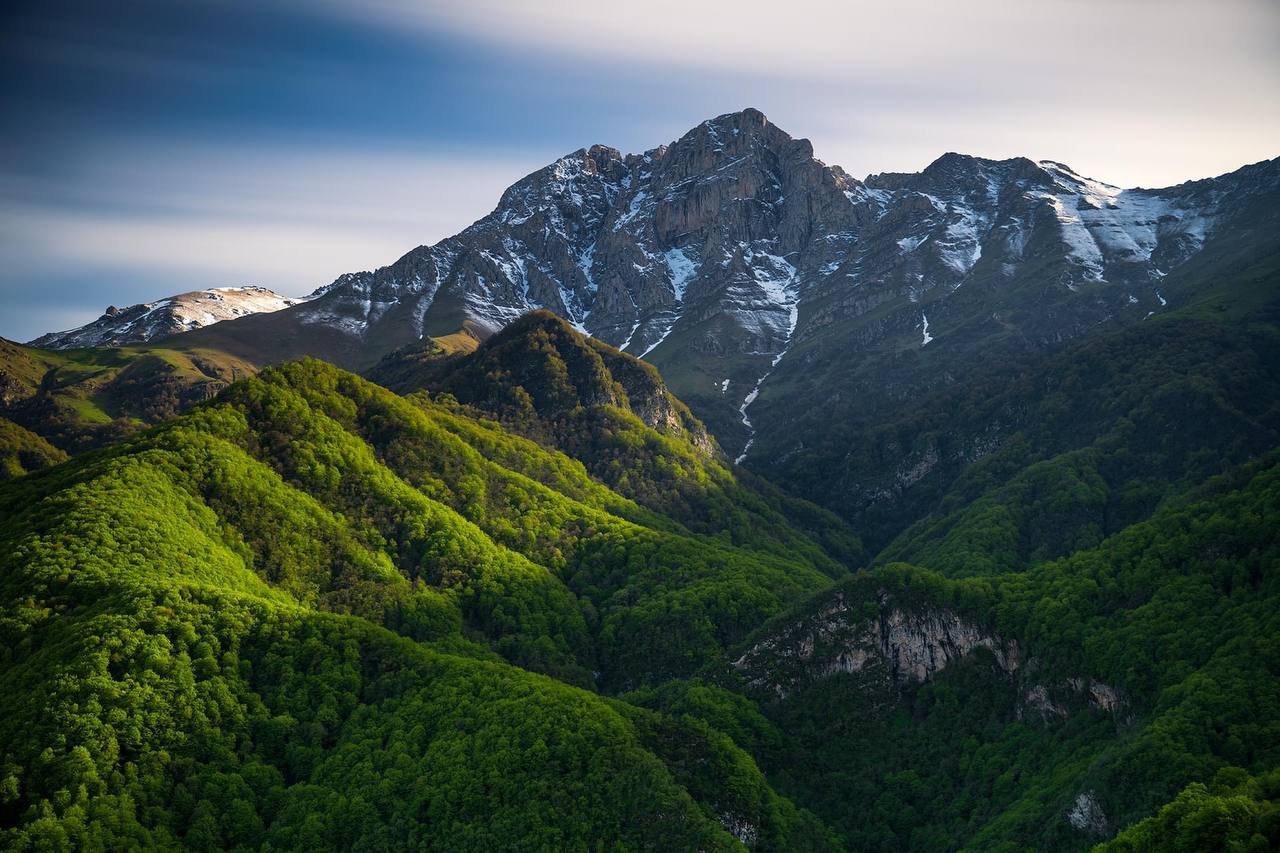
Khustup is deeply connected with the memory of Garegin Nzhdeh, the military leader who played a central role in preserving Syunik as part of Armenia. After his death in Soviet imprisonment, his remains were eventually brought back to Armenia and reburied on the slopes of Khustup in 2005. Today, the mountain carries a powerful sense of history, remembrance and Nzhdeh’s enduring connection with Syunik.
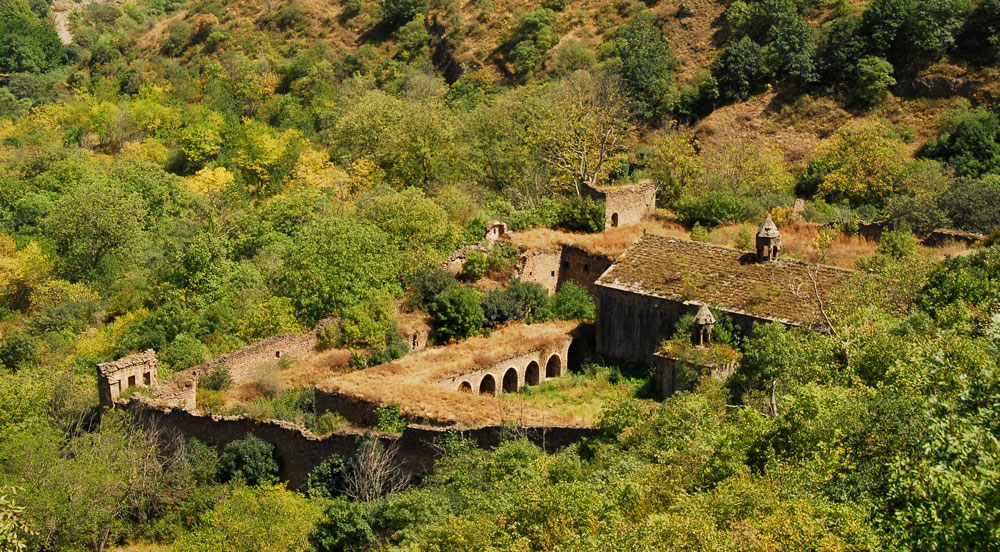
Tatev Mets Anapat, or the Great Hermitage of Tatev, is a 17th-century monastic complex hidden deep in the Vorotan Gorge. Founded in the 1660s after an earthquake destroyed the nearby Harants Hermitage, it became an important center of monastic life, with its church, monks’ cells, refectory and fortified walls.