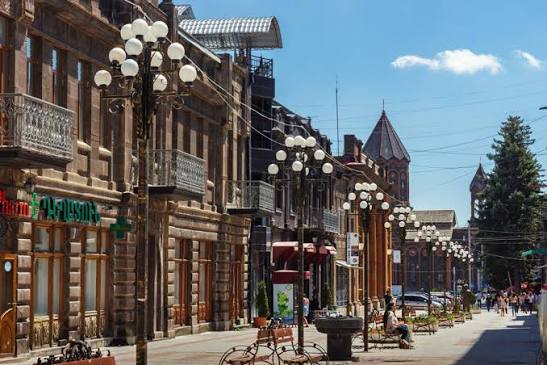
Gyumri is Armenia’s second-largest city and one of the country’s most distinctive cultural centers. Famous for its black tuff architecture, historic streets and strong artistic traditions, Gyumri has a unique character shaped by its craftsmanship, humor, music and resilient spirit. The city’s historic Kumayri district preserves elegant 19th-century buildings, while museums, galleries, workshops and local cafes reveal Gyumri’s creative soul.
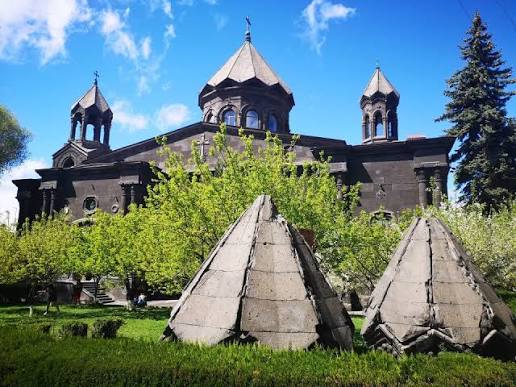
Seven Wounds Church, officially the Church of the Holy Mother of God, is one of Gyumri’s most distinctive churches. Built in the 19th century, it is known locally as “Yot Verq” (Seven Wounds) because the church is dedicated to the Seven Sorrows of the Virgin Mary. Unlike many Armenian churches, its interior has a particularly rich and unusual appearance, reflecting the traditions of Gyumri’s historic community.
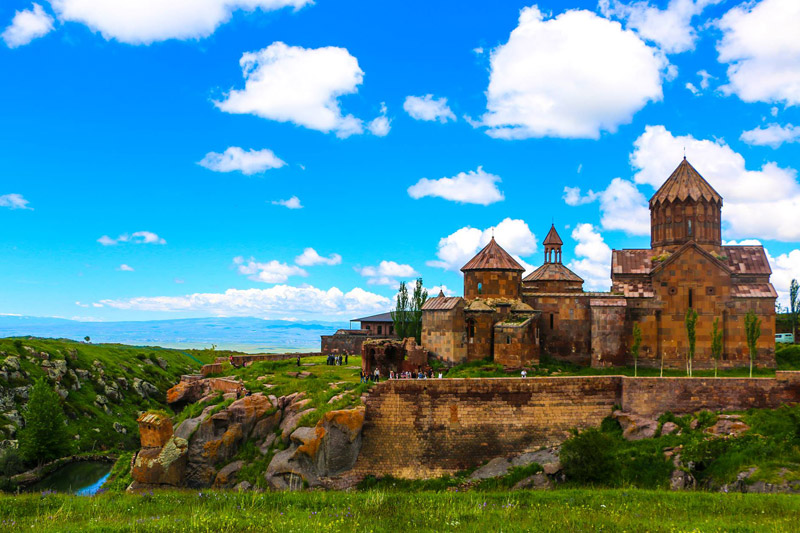
Harichavank Monastery is a historic monastic complex near Harich village, with origins dating back to the 7th century. It flourished especially in the 13th century, when the main churches and monastic buildings were expanded under the patronage of the Zakarian and Pahlavuni noble families. Known for its finely carved stonework and distinctive medieval architecture, Harichavank became an important religious and educational center in northern Armenia.
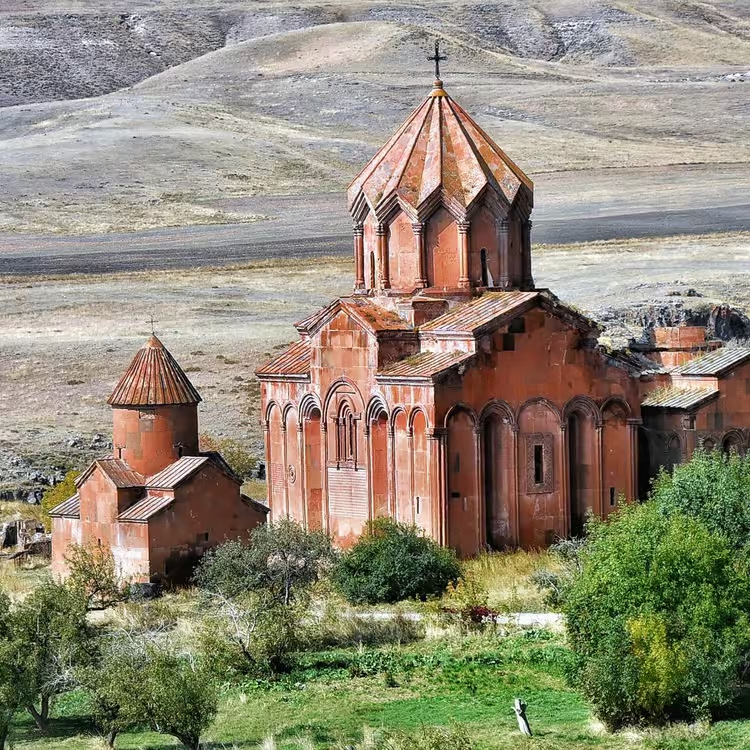
Marmashen Monastery is a beautiful 10th–11th-century monastery complex situated on the banks of the Akhuryan River. Founded by Prince Vahram Pahlavuni, it is considered to have been designed by Trdat the Architect, one of medieval Armenia’s most renowned architects, who is also traditionally associated with the reconstruction of Hagia Sophia in Constantinople. Its elegant red-tuff churches and peaceful riverside setting make Marmashen one of Shirak’s architectural treasures.
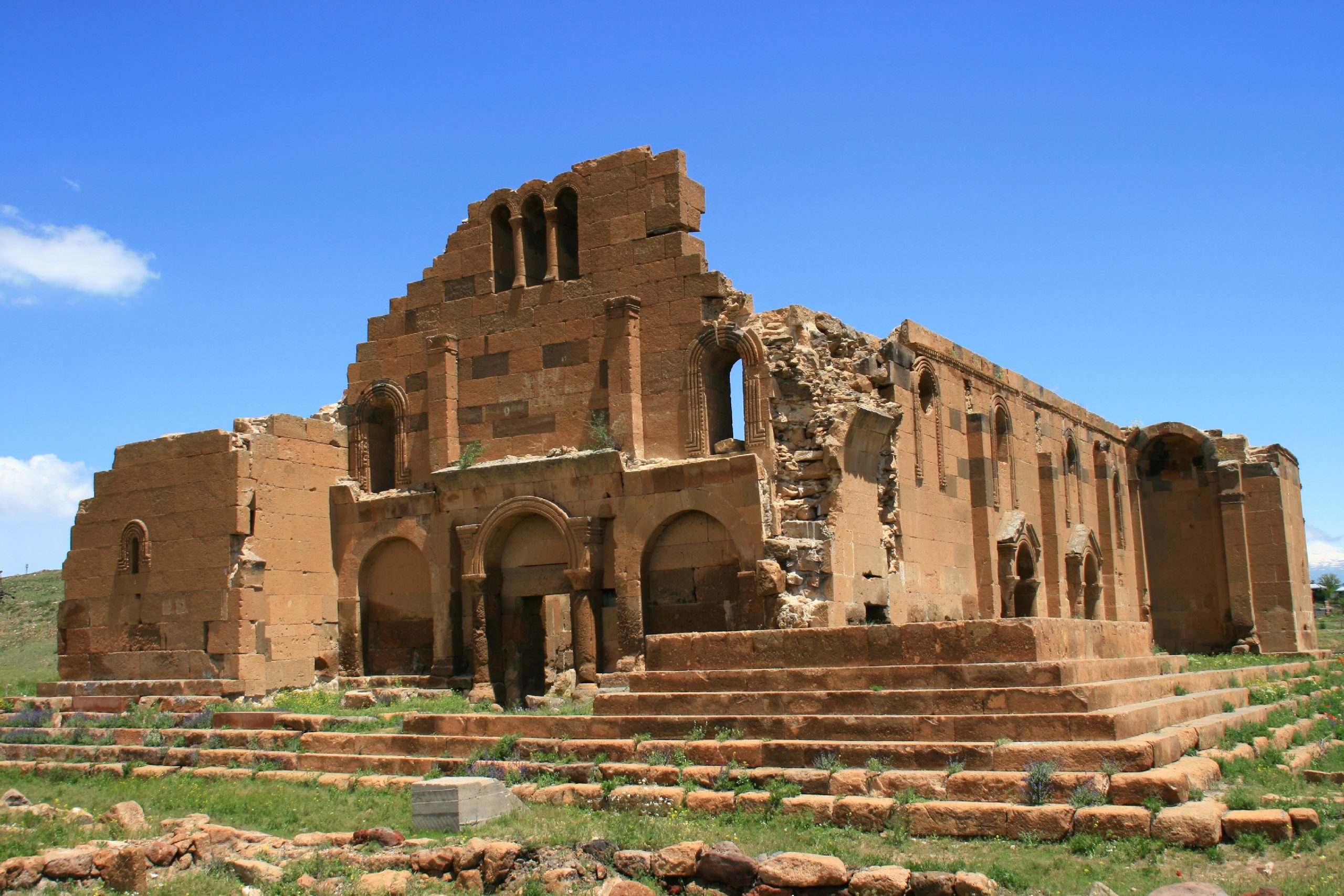
Yereruyk Basilica is one of Armenia’s most remarkable early Christian monuments, a 4th–5th-century basilica built near the ancient city of Ani. Constructed from carefully cut reddish stone, the basilica is notable for its monumental scale and distinctive architecture, reflecting the development of early Christian architecture in Armenia. Its isolated setting near the Akhuryan River gives the site a particularly striking atmosphere.
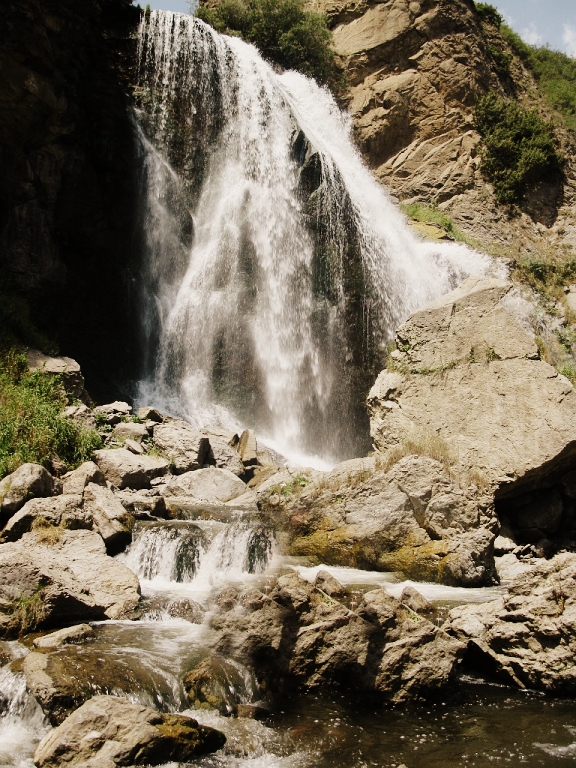
Trchkan Waterfall is one of Armenia’s highest waterfalls, where the Chichkhan River plunges from a height of around 23 meters through a rugged mountain landscape. Surrounded by forests, cliffs and alpine scenery, Trchkan is especially impressive in spring, when melting snow increases the power of the waterfall.
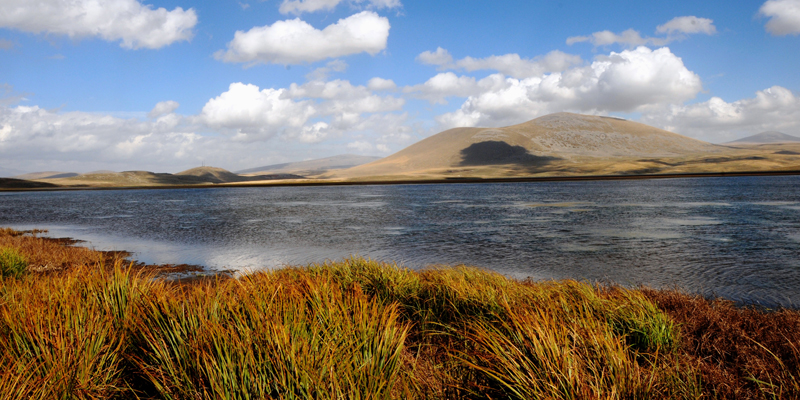
Lake Arpi National Park is a protected highland landscape in northwestern Armenia, centered around Lake Arpi and its surrounding wetlands, meadows and mountains. The park is particularly important for birdlife, serving as a habitat and breeding area for numerous species, including the Dalmatian pelican and Armenian gull. It is also a beautiful destination for hiking, birdwatching and experiencing the quiet, open landscapes of Shirak.