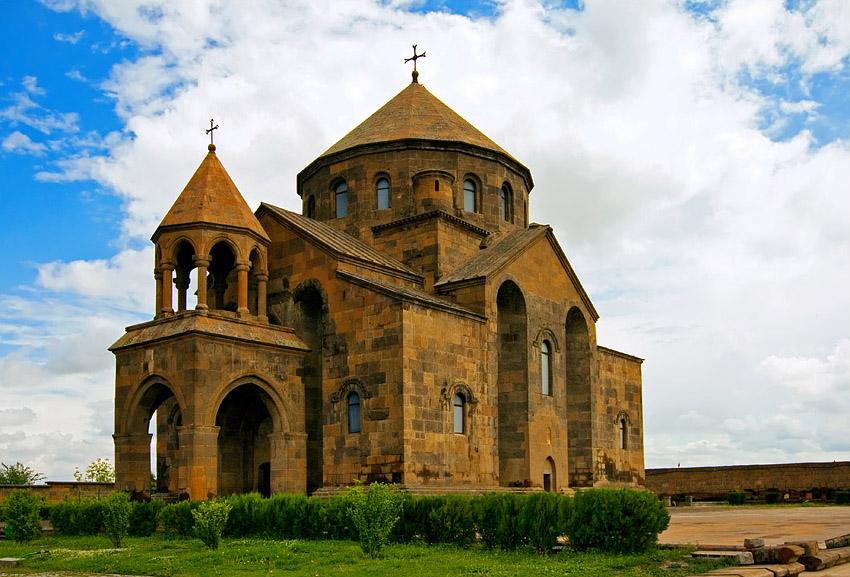
Saint Hripsime Church is a magnificent 7th-century Armenian church, built on the site traditionally associated with Saint Hripsime, one of the Christian virgins who came to Armenia from Rome. Its distinctive domed architecture became an important model for Armenian church design and remains one of the finest examples of early medieval Armenian architecture.
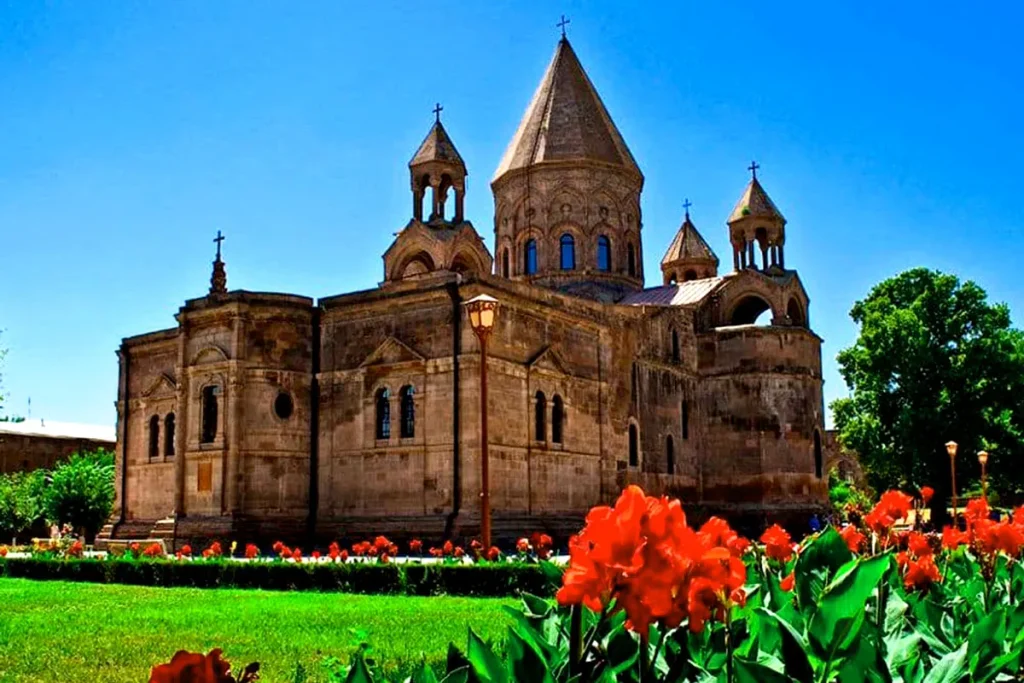
Etchmiadzin Cathedral is the oldest cathedral in the world, traditionally founded in the early 4th century after Armenia adopted Christianity as a state religion. According to tradition, Saint Gregory the Illuminator had a vision of Christ descending from heaven and indicating the place where the cathedral should be built. It remains the spiritual center of the Armenian Apostolic Church.
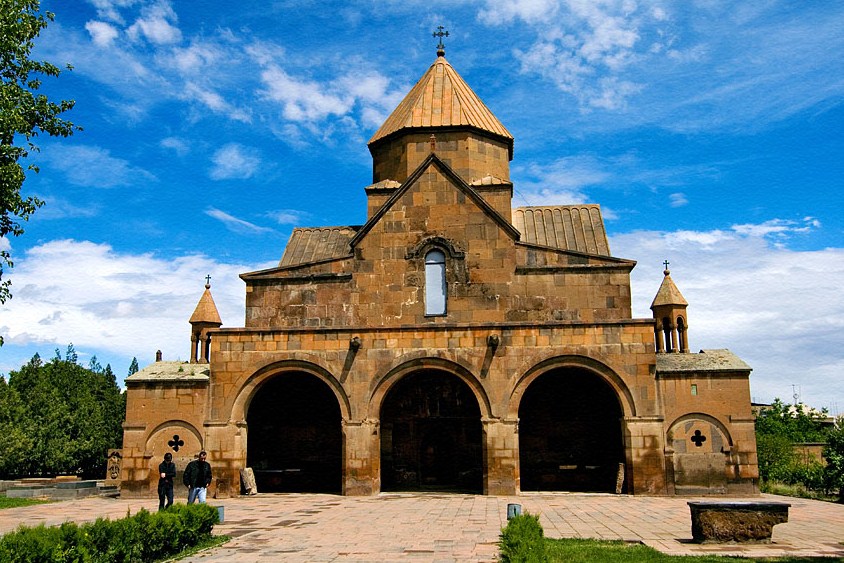
Saint Gayane Church is a 7th-century Armenian church dedicated to Saint Gayane, one of the Christian virgins who was martyred in Armenia in the early 4th century. Built in 630 AD, the church is admired for its harmonious proportions and elegant domed basilica design and forms part of the UNESCO-listed religious ensemble of Vagharshapat.
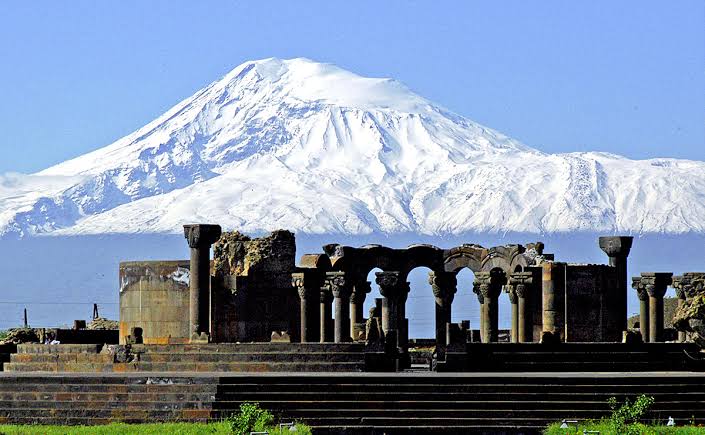
Zvartnots Cathedral is a 7th-century cathedral and UNESCO World Heritage Site, built near Vagharshapat during the reign of Catholicos Nerses III. Once one of the most ambitious churches of medieval Armenia, its circular design and monumental scale influenced Armenian architecture. The cathedral was destroyed by an earthquake in the 10th century and its impressive ruins remain today.
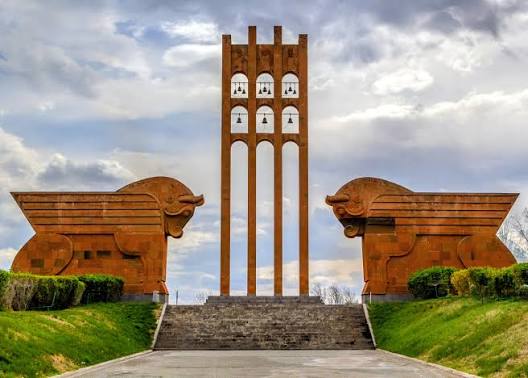
Sardarapat Memorial is a monumental complex dedicated to the Battle of Sardarapat of 1918, when Armenian forces successfully resisted the advancing Ottoman army. The victory played a decisive role in preventing the loss of the Armenian heartland and made possible the establishment of the First Republic of Armenia later that year. The complex also houses the Armenian Ethnography Museum, offering a rich introduction to the country’s history, traditions and culture.
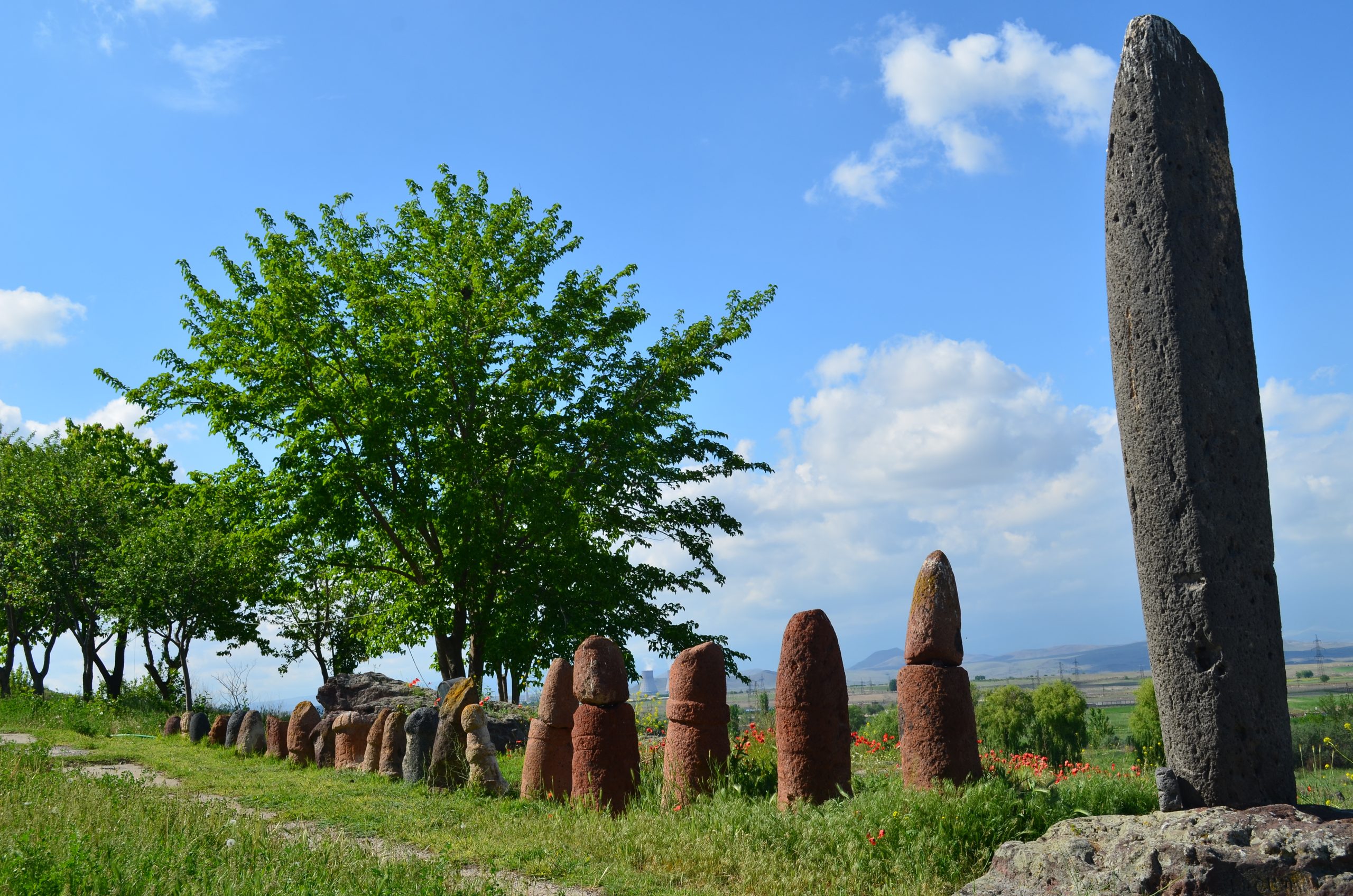
Metsamor Archaeological Site is one of Armenia’s most fascinating prehistoric sites, with evidence of human settlement dating back to the 5th millennium BC. The ancient settlement developed into an important center of metallurgy, craftsmanship, trade and ritual life, with remains of a fortress, temples, dwellings and an early industrial complex. Its archaeological discoveries provide a remarkable insight into the sophisticated cultures that flourished in the Ararat Valley thousands of years ago.
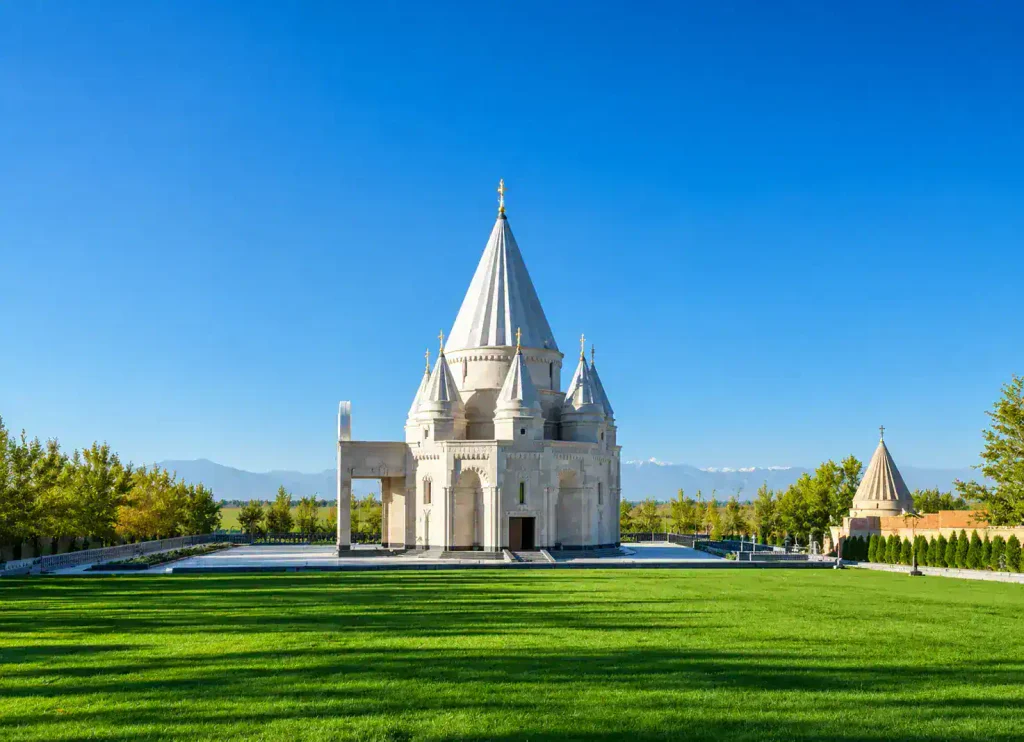
Quba Mere Diwane is the world’s largest Yazidi temple, opened in 2019 in the village of Aknalich. Its striking white architecture and nine golden domes reflect the religious traditions of Armenia’s Yazidi community. The temple complex is an important cultural landmark and a symbol of the long-standing presence of the Yazidi people in Armenia.